
Product Recovery (Pigging) Case Study on sauces, dressings and condiments
New Zealand
How HPS Pigging Technology Helped Springbrook Foods Recover Sauces, Dressings and Condiments and Reduce Product Waste.
Summary
- Springbrook Foods is a family-owned manufacturer of sauces, dressings and condiments based in Blenheim, New Zealand.
- As the factory expanded, longer transfer lines meant finished product was left in the pipework and flushed out during cleaning.
- Before pigging, Springbrook’s weekly factory yield historically sat at 90–92%, below its 94% target.
- On the first line fitted with pigging, Springbrook recovers 74 kg of mayonnaise and 43 kg of soy and honey sauce per run.
- A line can be pigged up to three times a day, as Springbrook may run three different products through it.
- Springbrook now regularly reaches its 94% weekly yield target, while reducing product waste and the amount sent to wastewater.
- Actual recovery has exceeded the 40 kg per day assumed in the business case, and the system has paid for itself faster than forecast.
- After starting with one line, Springbrook expanded pigging to all five lines from the cooking room, serving three packing areas.
- HPS tailored the solution to Springbrook’s factory and supported the project through design, commissioning and operator training.
ABOUT Springbook Foods
Springbrook Foods is a family-owned ingredient and condiment manufacturer based in Blenheim, Marlborough, New Zealand.
Established in 1986, it makes sauces, dressings and condiments at commercial scale for food producers, foodservice businesses and retail brands across the country, including private-label and quick-service restaurant (QSR) customers.
The company’s close-knit team combines food science and technical knowledge with practical experience in quality and production. This helps Springbrook respond to customer needs and deliver consistent products at scale. Its approach is summed up in its phrase: “We cut veg, not corners.”
Project Background
As Springbrook Foods’ factory in Blenheim grew, the distance between the cooking and packing areas increased. This meant longer pipework was needed to transfer finished sauces, dressings and condiments from the cooking vessels to the holding tanks.
At the end of each production run, a significant amount of product remained in the pipes and was flushed out during cleaning. These losses were affecting Springbrook’s weekly factory yield, which historically sat at 90–92%, below its 94% target.
Trent Hamilton and Springbrook Foods explained:
“At the end of every run, a lot of finished product was left in those longer lines and flushed out during cleaning. Our weekly factory yield sat at 90–92%, below our 94% target, and those pipe losses were one of the main reasons.”
Why Springbrook Chose HPS as their Pigging Systems Provider
HPS liquid product recovery technology, also known as pigging, helps manufacturers recover product left in pipelines after a transfer, so more can be used rather than flushed away during cleaning.
For Springbrook Foods, the main benefit was recovering finished product from its longer lines and improving factory yield. The system needed to suit the factory layout, work reliably with a range of sauces, including thin, runny products, and be simple for the cooking team to use every day.
Springbrook heard about HPS Australasia after the company installed a pigging system at another local business.
The Springbrook team was able to see it running and received positive feedback from the business using it. That gave them confidence in the technology. HPS then proposed a cost-effective solution designed around Springbrook’s specific factory requirements.
The Solution
HPS worked with Springbrook Foods to introduce pigging on five lines running from the cooking room and serving three packing areas. The lines transfer finished product from the cooking vessels to the holding tanks.
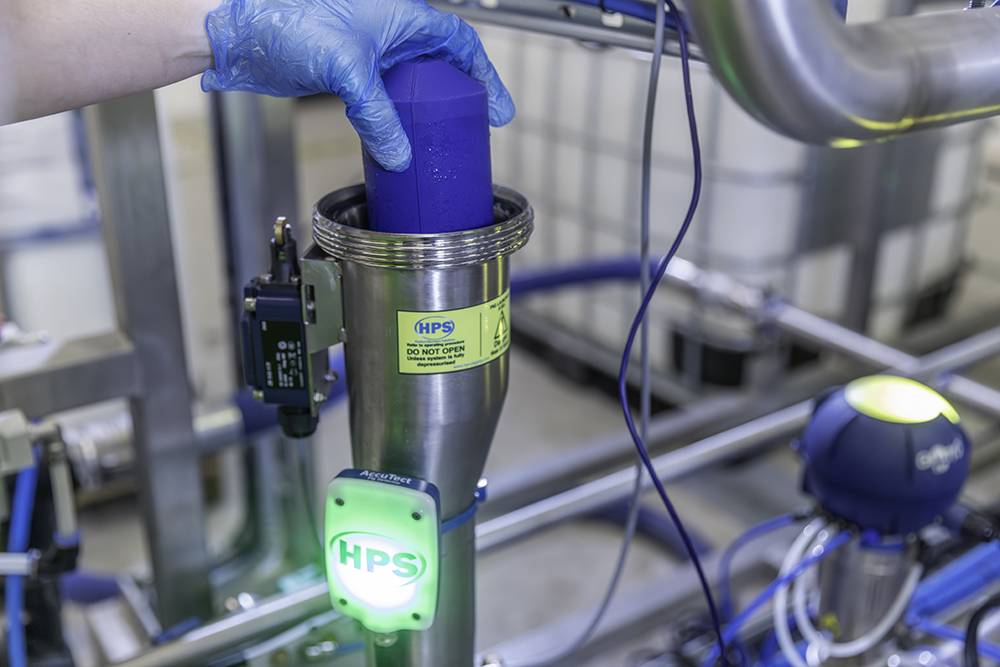
The solution pushes product through the pipework during transfer. At the end of a run, the cooking team ‘pigs’ the line to recover product that would otherwise remain in the pipes and be flushed out during cleaning. The team uses pigging every day as part of its normal production routine, including when handling thin, runny sauces.
Springbrook began with one line and gradually expanded pigging across all five. HPS supported the design process, then visited the site to commission the system and train the operators. Springbrook said the project went smoothly and that the training helped the team get up and running with confidence.
Equipment supplied includes a 3-inch HPS pig, launch housing and receive station, an AccuTect pig detector, ball valves and associated pigging equipment.
We asked Trent how he found working with HPS. He said:
“The project went very smoothly. Communication was excellent from start to finish, and HPS made the design process simple. Their team came on site to commission the system and train our operators, so we were up and running with confidence.”
The Results
Since installing the HPS system, Springbrook has been recovering product from its lines every day that would previously have been flushed out during cleaning. The improvement is reflected in the factory’s weekly yield. Historically, this had been around 90–92%, below the company’s 94% target. Springbrook now regularly reaches that target.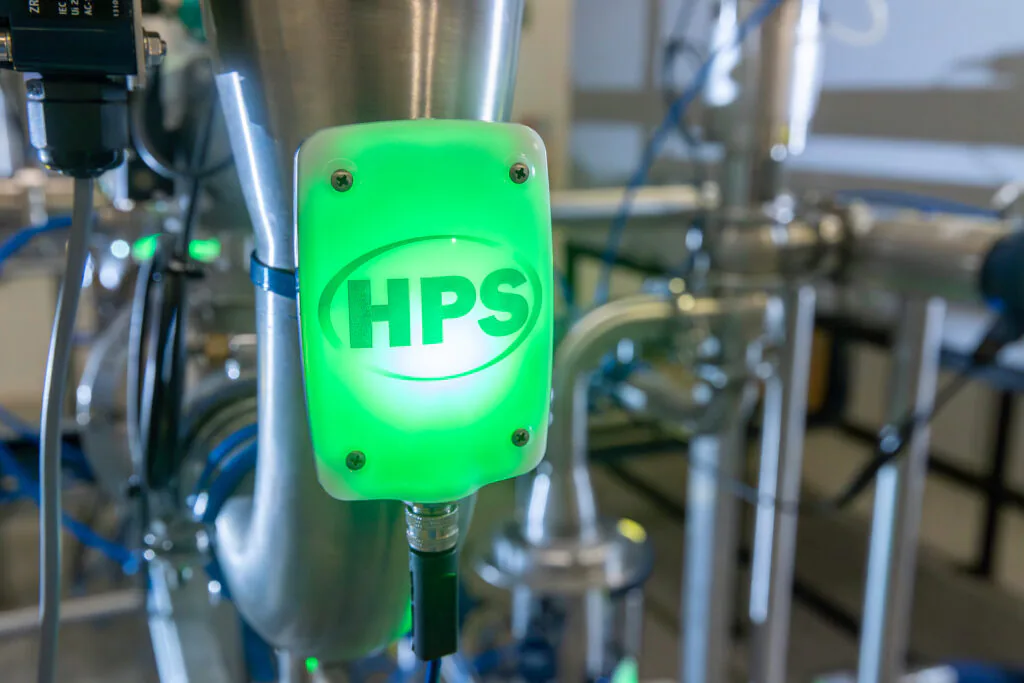
The team weighed the product recovered on the first line fitted with pigging. The results showed that substantial quantities could be recovered from different products, including the runniest sauce on that line:
- 74 kg recovered each time Springbrook pigs a mayonnaise run.
- 43 kg recovered each time it pigs a soy and honey sauce run.
A line can carry up to three different products in a day, meaning it may be pigged as many as three times each day. The recovery figures are from the first line, and Springbrook reports that actual recovery across the operation has been well above the average used in its original business case.
Springbrook’s business case assumed an average recovery of 40 kg per day. Actual recovery has been well above this, and the system has already paid for itself. Springbrook says less product is wasted, less goes into wastewater, and more of each batch ends up in a pack.
The initial installation proved successful enough for Springbrook to gradually expand pigging from one line to all five lines from the cooking room. The cooking team now uses the system as part of its daily routine.
Trent Hamilton said:
“We now recover product every day that used to be flushed out during cleaning. Since we installed the system, our weekly factory yield has moved out of its historic 90–92% range, and we have regularly reached our 94% yield target. Less product is wasted, less goes into our wastewater, and more of every batch ends up in a pack.”
The Future
Springbrook will design any new lines to be pigging-capable from the outset.
Trent Hamilton said:
“We would happily recommend HPS to other food manufacturers. They gave us a cost-effective system that suited our factory, and the support we received from design through to commissioning was excellent.”
FIND OUT MORE
See how HPS pigging technology helps manufacturers increase product recovery, cut waste and improve production efficiency.
Read our pigging case studies to see the results achieved in real manufacturing environments.