
Chocolate must remain liquid during production. When flow stops in transfer pipelines, the risk of thickening and solidification increases.
In chocolate manufacturing, product left in heated pipework between batches can lead to blockages, longer cleaning times and unnecessary waste. Sometimes, it can also lead to product degradation.
HPS designs hygienic pigging systems for chocolate and confectionery processing applications, helping manufacturers reduce the amount of chocolate left in transfer lines.
Reducing residual product in the pipeline is key to maintaining efficiency.
Why Chocolate Solidifies in Transfer Pipelines
Chocolate is temperature-sensitive, viscous and highly dependent on consistent flow.
Even in steam-jacketed, water-jacketed or heat-traced pipelines, risk increases when product stops moving.
When chocolate sits idle in the line:
- It begins to cool
- Viscosity increases
- It can solidify
- It may start to degrade
- Product residue starts to build up over time
In chocolate transfer pipelines, residual product can remain stationary for extended periods, particularly during:
- Batch changeovers
- Recipe changes
- Cleaning cycles
- Weekend shutdowns
- Unplanned stoppages
The longer chocolate remains static, the greater the risk of solidification and degradation.

The Impact of Chocolate Build-Up in Pipelines
Chocolate solidifying in the pipeline is a major headache for chocolate manufacturers.
After all, solidified or thickened chocolate in transfer lines can result in:
- Reduced or stopped product flow
- Production downtime
- Longer cleaning cycles
- Manual intervention
- Cross-contamination risk between formulations
In some cases, partial dismantling of pipework may be required to clear solidified product, resulting in additional downtime and labour.
And even small delays can affect overall production efficiency.
Heated Pipelines Do Not Remove Product
Steam jacketing, water jacketing and heat tracing are essential for maintaining flow during production. However, they do not remove residual product from the pipeline at the end of a batch.
Chocolate can remain in the line until cleaning begins. During this time, cooling and settling may occur, particularly in long or complex systems. This also increases the risk of product degradation.
Reducing pipeline hold-up helps reduce this risk.
How Pigging Systems Help Keep Chocolate Moving
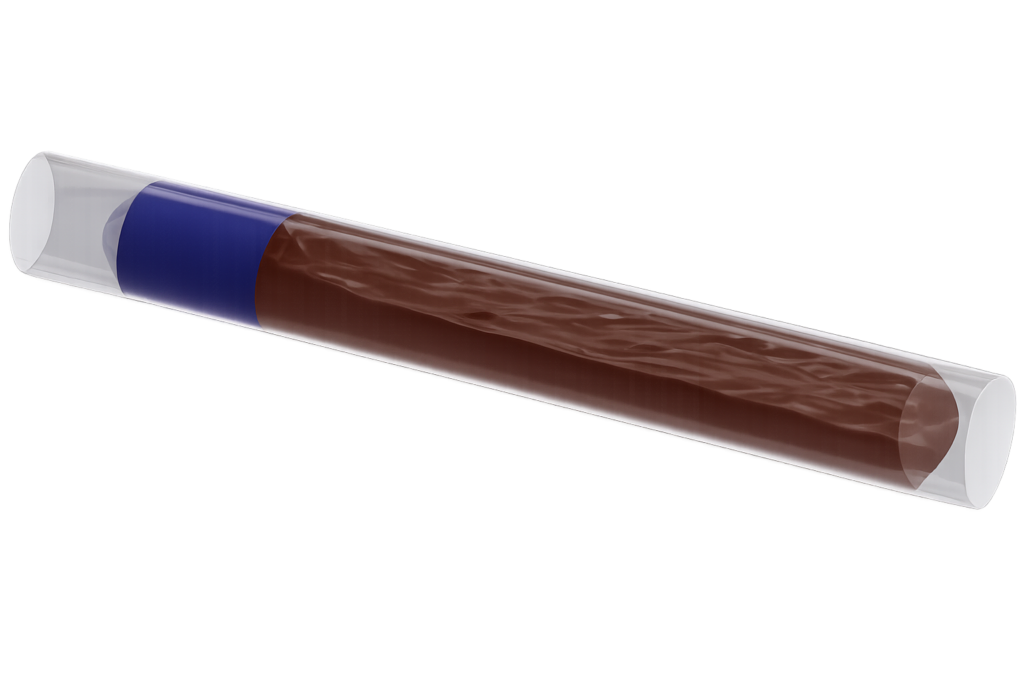
Pigging systems (also known as ‘liquid product recovery technology’) automatically clears chocolate from transfer pipelines immediately at the end of production.
A hygienic pig is propelled through the pipeline, recovering saleable chocolate and returning it safely to the production process.
This helps to:
- Reduce the volume of chocolate left stationary
- Lower the risk of solidification and degradation
- Shorten cleaning and changeover times
- Improve changeover performance
- Increase product recovery (up to 99.5%)
By clearing the pipeline immediately after production, pigging reduces the risk of chocolate solidifying in the line.
Managing Residual Chocolate in Transfer Lines
In chocolate production, small inefficiencies in transfer systems can create ongoing issues.
Product left in pipelines between batches increases the likelihood of thickening, extended cleaning times and slower restarts. Over time, this affects overall line performance.
Clearing chocolate from transfer pipelines immediately after production helps maintain stable flow conditions and more predictable changeovers.
Chocolate Case Study
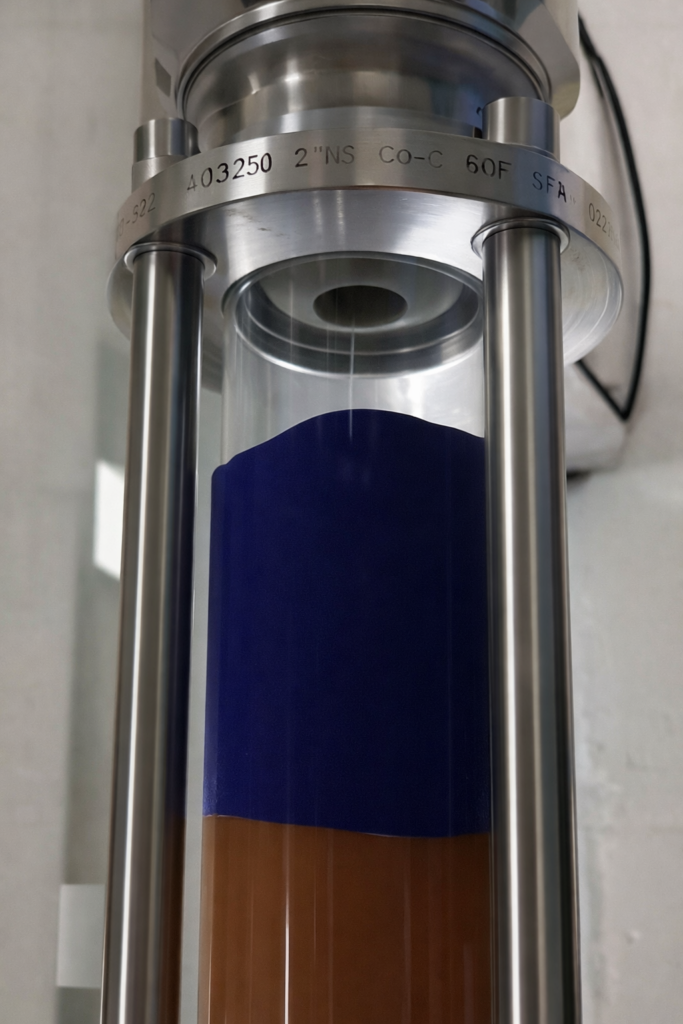
HPS supplied five automatic pigging systems to Log House Foods in the USA to clear chocolate transfer lines in a new production facility.
Some of the lines hold between 500 and 2,500 lbs of coating. By pigging after each transfer, the site is able to recover product back to storage, improve lot control and reduce the risk of settling or freeze-ups in long pipelines.
As Log House Foods noted, clearing the lines helps prevent unnecessary shutdowns caused by product solidifying in the pipework.
View more chocolate and confectionery pigging case studies.
Improving Efficiency in Chocolate Processing
Chocolate left in transfer pipelines does not need to become waste or downtime.
By clearing lines immediately after production, manufacturers can improve yield, reduce solidification and degradation risks and support more efficient changeovers.
If you would like to review your current transfer setup, HPS can provide a technical assessment based on your pipeline configuration and production process.
Get in touch with our team to discuss your chocolate processing application.