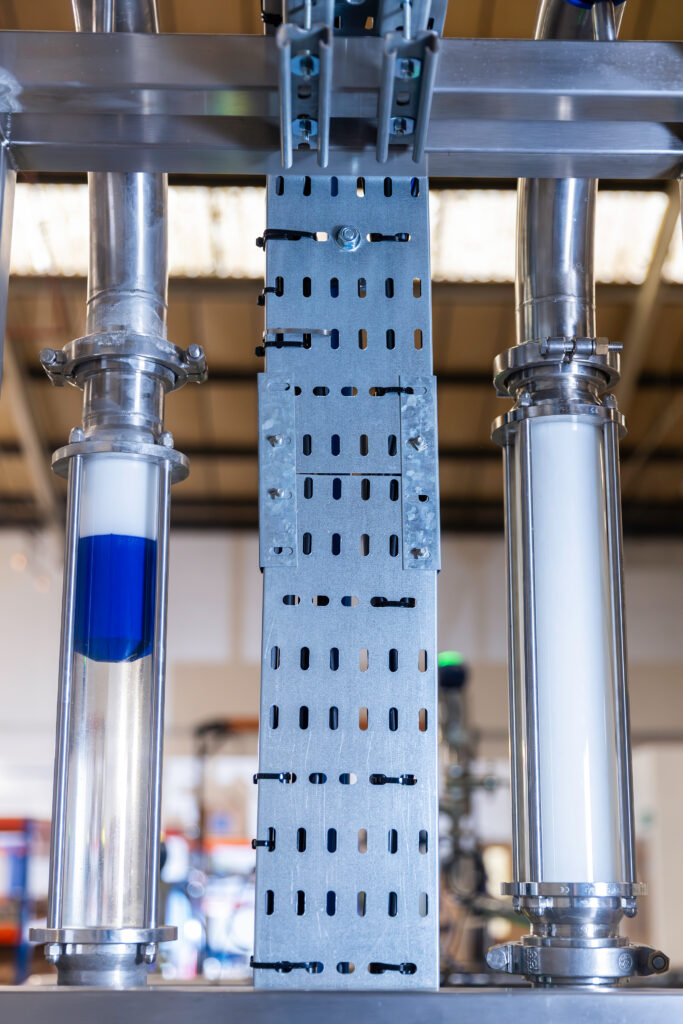
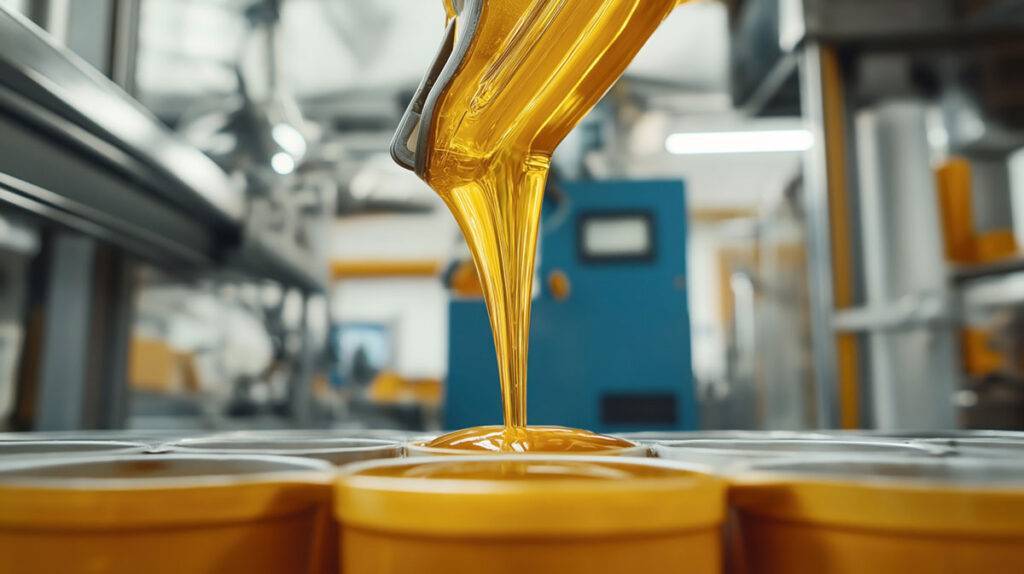
Thick, sticky or slow-moving liquids are often harder to process than thinner, free-flowing products. Put simply, viscosity describes how easily a liquid flows. The higher the viscosity, the thicker or more resistant to movement the liquid is.
Compared with thinner liquids, viscous products are more likely to coat the inside of the pipeline and leave usable product behind. Products such as chocolate, sauces, gels, adhesives, toothpaste, paint and lubricants can cling to the pipe wall or remain in bends and transfer lines.
This means large amount of valuable product can still be sitting in the pipeline after a batch has finished or during a product changeover.
Why Viscous Liquids Need Careful Handling
Because they are thicker, viscous liquids can be slower and more difficult to move through pipelines.
This can make pumping and transferring the product more demanding, especially over longer distances or more complex pipe routes.
Temperature can also play an important role. Products such as chocolate, syrups, fats, oils, creams and some chemical products often transfer more easily when warm, which can make them easier to pump through the line.
However, this needs to be carefully controlled. Too much heat can affect the product’s texture, consistency, stability or overall quality. Too little heat can make the product thicker and harder to move.
This is why effective product recovery matters. If viscous liquid is left behind in the pipeline, it can be harder to remove through flushing or cleaning alone.
Why Product Left in the Line Becomes a Problem
If this product is not recovered, it is often pushed out during flushing or cleaning. As a result, manufacturers may use more water, generate more effluent, increase downtime and lose large amounts of usable product from the batch.
This is where HPS liquid product recovery (“pigging”) technology comes in.
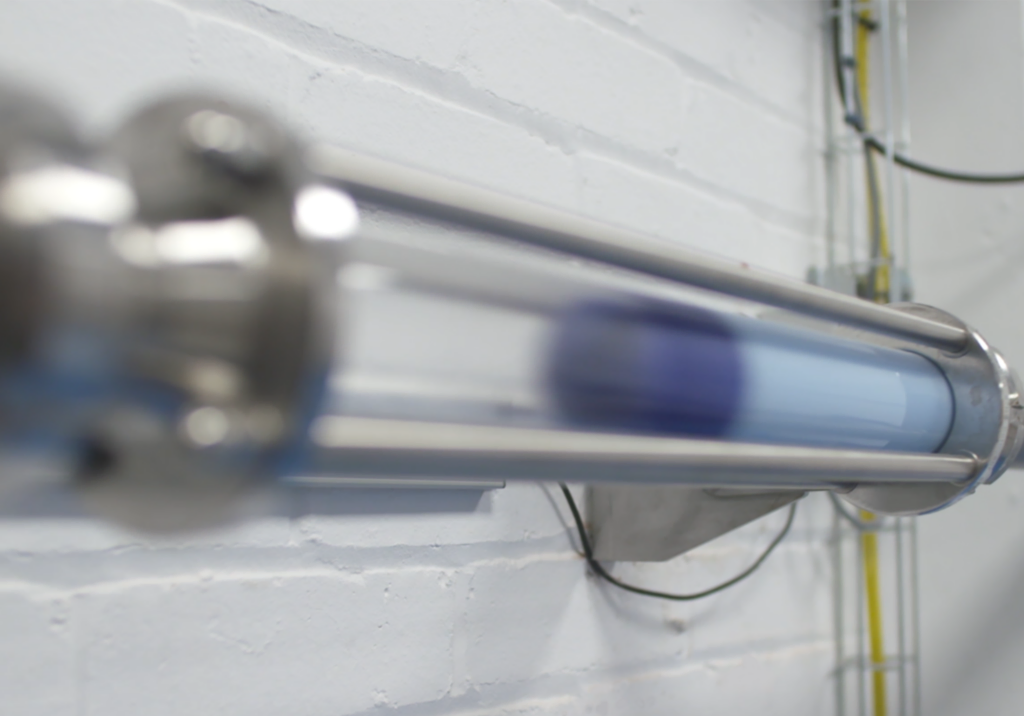
By sending a specialist projectile through the pipeline, a pigging system helps push residual product out of the line before cleaning begins.
For viscous liquids, this is especially beneficial because it helps recover product before flushing or Clean-in-place (CIP) begins, reducing the amount left behind to be cleaned from the pipework.
Higher Product Recovery and Yield
For viscous liquids, even a small amount of product left in the pipeline can add up over repeated batches and changeovers.
Without pigging, some of this product may be washed away with the cleaning water and sent to waste.
Pigging helps recover more of the residual product, so less is wasted and more can continue through the process.
For manufacturers handling expensive ingredients or with regular product changeovers, even small improvements in recovery can make a noticeable difference over time.
Reduced Cleaning, Water Use and Effluent
Cleaning a pipeline that still contains thick or sticky product can take more time and use more resources.
By recovering product first, pigging helps reduce the amount of residue left in the line before flushing or CIP begins. This reduces the amount of water, cleaning fluids and energy needed to prepare the pipeline for the next product.
It also helps reduce effluent, because less product is being washed into the waste stream.
For manufacturers looking to reduce waste, lower cleaning costs or improve sustainability, pigging offers a practical way to make existing processes more efficient.
Industries That Benefit from Pigging Viscous Liquids
Pigging is used across many industries where viscous liquids and wet products are transferred through pipelines.
In food and beverage manufacturing, pigging can help recover products such as chocolate, sauces, syrups, creams, pastes, oils, fillings and flavourings.
In personal care and cosmetics, it can help recover shampoos, conditioners, lotions, gels, creams, toothpaste and other formulations.
In chemical and industrial manufacturing, pigging can be used for paints, coatings, adhesives, detergents, lubricants, slurries and specialty chemicals.
Although this article focuses on viscous liquids, pigging is not limited to thick or high-value products. At HPS, we often say: “If you can pump it, we can pig it!”.
A Practical Way to Recover Difficult Products
Viscous liquids can be challenging to process, especially when product is left behind in the pipeline after transfer.
Liquid product recovery helps recover more of this residual product before cleaning begins, reducing waste and helping manufacturers get more from each batch.
For businesses handling thick, sticky or hard-to-clear liquids, it can be a practical way to improve product recovery, reduce cleaning demands and support more efficient production.
Find Out More
To find out whether your product and process are suitable for pigging, contact the HPS team today.
HPS are the world’s leading specialists in liquid product recovery (pigging) technology for the process industries, and design all pigging solutions around the precise requirements of each customer.
Our experts can advise on product recovery, pipeline design, automation options and the best approach for your application.