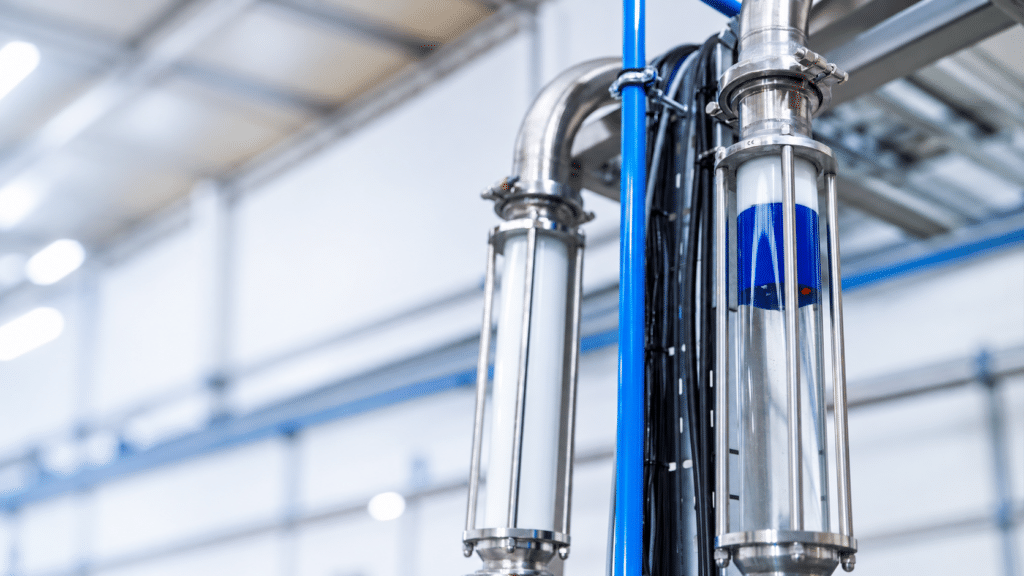
A new facility or process upgrade provides a great opportunity to plan how products will be routed through the plant. But also how product left in the pipework can be recovered after each transfer.
HPS provides industry-leading liquid product recovery (a form of “pigging’’ technology) which recovers residual product from a pipeline before cleaning or a changeover.
Considering pigging as early as possible, ideally while a project is still being designed will usually save you time and extra work later on. It will even help the team assess whether it suits the process, and if so, how it could best fit into the planned layout.
Why Consider Pigging During Project Planning?
Once a process layout is finalised, changing the pipe routes or making space for additional equipment can be more difficult.
Considering pigging early gives the project team more opportunity to plan product routes, equipment connections and operating sequences together.
Pigging systems are designed around the application and pipework. The product, pipeline layout, operating conditions, valves, controls and cleaning requirements all influence the design. Reviewing these as part of the project can help identify practical options while the layout is still being developed.
But there’s more to it than that…..
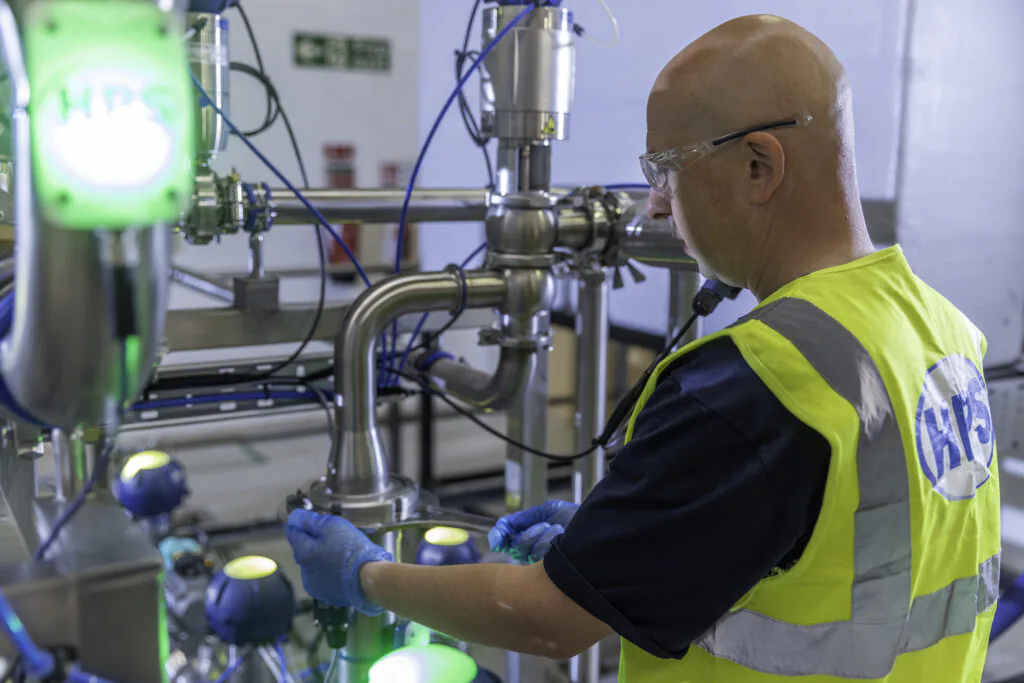
Pigging Makes Routing Planning Decisions Easier
Considering the benefits of pigging at the design stage can make planning a production facility much easier.
For example, key components such as tanks and fillers are often positioned as close together as possible to minimise pipeline lengths and reduce product losses. However, because pigging systems quickly and efficiently recover product from pipelines, the distance between these components becomes less critical.
This gives designers greater flexibility when planning equipment layouts, which can be a major advantage, particularly where space or other constraints need to be considered.
Recover More Product Between Batches
After a product transfer, liquid will remain in the pipeline. It may be flushed out during cleaning or lost during a changeover. But using pigging technology, the “pig” travels through the line, pushing residual product towards its destination or a suitable collection point.
Depending on the product and application, this helps manufacturers:
- Recover product that would otherwise be lost
- Reduce the amount sent to waste or washout
- Clear a line more quickly between products
- Reduce water or cleaning-fluid use in some processes
The potential benefit depends on how the line is used. Pipeline volume, product value, transfer frequency and current flushing or cleaning methods will help the team assess the opportunity.
Plan Liquid Routing and Pigging Together
Engineering firms are often involved in larger facility and process upgrade projects, helping to develop the process layout and specify equipment.
HPS will work alongside engineers, designers and the wider project team to consider how products will move between tanks and process lines, and where pigging could fit into the transfer sequence.
For projects requiring flexible product routing, the HPS Automatrix offers automated source and destination selection for efficient, safe and hygienic liquid transfer, with flexibility across production requirements
Make Provision For The System In The Design
For a new installation, the pipework can be designed with pigging in mind from the outset.
The route needs to allow the pig to travel through the line and connect with the launching and receiving equipment. Details such as internal diameter, bends, fittings, valves and changes in pipe bore should be considered against the requirements for a piggable pipeline.
HPS will work with your engineering firm and project team to provide guidance on the pipework layout and equipment needed. For an upgrade involving existing lines, an assessment can help establish whether they are suitable for pigging and whether any changes may be needed.
Automation should also be considered alongside the wider process. An automatic pigging system can be designed to work with the plant’s control system and transfer sequence. Agreeing how the pigging cycle will interact with pumps, valves, detectors and operator controls can help it fit into the planned operation.
Identify The Lines With The Greatest Potential
A large project may include several products, routes and destinations.
Pigging may be particularly worth assessing on planned lines carrying high-value products, serving frequent changeovers, or covering long distances where more product could remain in the pipe after a transfer.
The project team can compare lines using factors such as pipeline length and diameter, product value, transfer volumes, expected production schedules and planned cleaning requirements.
For an existing line being upgraded, current flushing, cleaning and product loss data amongst other things can also help show where pigging may make the greatest difference.
Assess the Potential Return
The potential return depends on the application. Using information provided by the client, such as product value, pipeline dimensions, transfer volumes, changeover frequency and cleaning requirements, HPS can help estimate the potential product recovery and related savings.
This assessment can also consider water and cleaning-material use, effluent disposal, cleaning time and downtime. For a new installation, estimates can be based on the planned process and production requirements.
If you would like a formal proposal, which will include detailed payback and ROI calculations, contact HPS >>>
Designed Around Your Process
At HPS, we say: “If you can pump it, we can pig it.” Which means basically, if you’re transferring product through a line, we can provide pigging technology to make your process much more efficient.
In fact, just about any liquid you see in the supermarket, grocery store, hardware store and so on – could well have been pigged by an HPS system.
Literally hundreds of varieties of products, for example cheese, soup, wine, pet food, paints, lubricants, adhesives, shampoo, toothpaste, hand lotions jams spreads dips, edible oils, fats, soaps, detergents, battery fluids, chemicals and many others.
Our systems are designed around the product, pipework and process, with the aim of recovering residual product while fitting the way the plant operates.
Work with HPS from the Early Design Stages
HPS works in partnership with engineering firms, process designers and manufacturers on new facilities, expansions and process upgrades. By reviewing proposed product routes, pipework layouts and control requirements with the project team, HPS can help assess how pigging and liquid routing could fit into the overall design.
Bringing HPS into the conversation early will help the team consider the available options while the process layout is still being developed.
Planning a Project?
Download guide to pigging for Engineering Firms >>
HPS can review your application and discuss whether pigging and liquid-routing solutions may suit your pipeline and production requirements.
Contact HPS to discuss your project.